
All-India Bike Trip Map & Route Planning: Circuit Guide, Fuel Math & Convoy Rules
A comprehensive logistical guide to planning an all-India motorcycle tour: North-South and Golden Quadrilateral circuits, inner-line permits, fuel math, and group tracking.
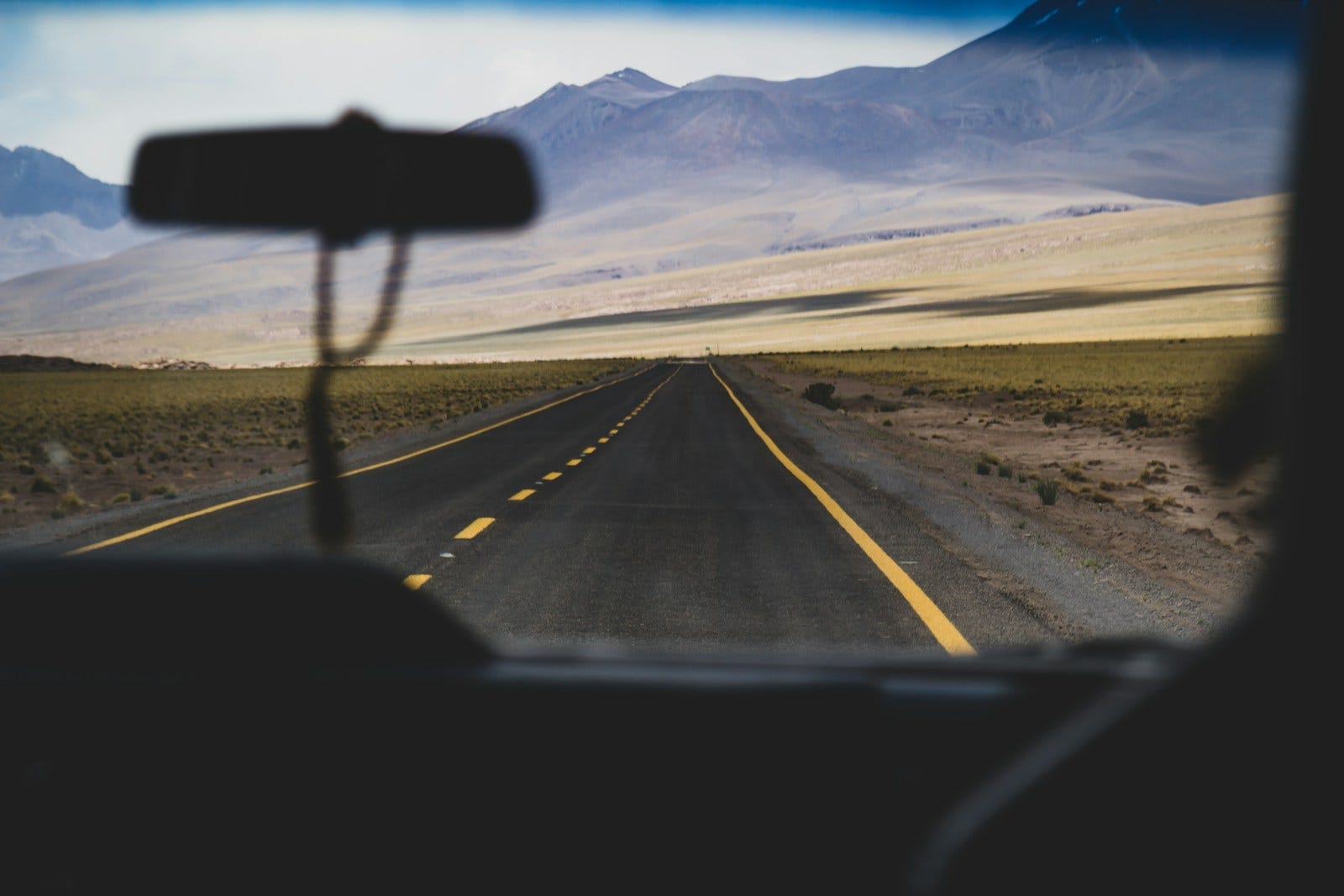
Quick answer: How do you plan an all-India bike trip route? An all-India motorcycle expedition typically follows one of three macro circuits: (1) The Kanyakumari to Kashmir (K2K) North-South corridor (~3,700–4,200 km, 14–20 days); (2) The Golden Quadrilateral connecting Delhi, Kolkata, Chennai, and Mumbai (~5,846 km, 20–25 days); or (3) The Grand Subcontinent Loop combining both coastal routes and mountain passes (~10,000+ km, 35–45 days). Success depends on planning seasonal weather windows, standardizing fuel tank intervals, carrying laminated document backups, and using an active group ride tracker like Wandr with cached offline routes for deep remote corridors.
Riding the length and breadth of India on two wheels is the ultimate ambition for any serious adventure motorcyclist.
Few journeys on Earth encompass such dramatic geographical and cultural diversity: rolling across the burning four-lane tarmac of Rajasthan, banking through the tea-scented hairpin bends of the Nilgiris, navigating monsoon squalls along the Konkan coast, and climbing over 17,000-foot Himalayan passes.
Yet an all-India motorcycle tour is far more than an extended weekend getaway. It is a major logistical endurance challenge.
When you tour as a group, logistical demands multiply exponentially. Mismatched fuel tank ranges create endless unscheduled stops. Differing physical stamina levels lead to fatigue-induced errors. Highway bypasses in unfamiliar states cause trailing riders to splinter off, while mountain passes completely erase cellular connectivity.
Here is the definitive route planning, logistical, and safety guide for executing an all-India motorcycle expedition.
3 Major All-India Touring Circuits Compared
CIRCUIT 1: K2K (North-South)        CIRCUIT 2: Golden Quadrilateral        CIRCUIT 3: Grand Subcontinent Loop
       [Leh / Srinagar]                     [Delhi] ─── [Kolkata]                [Himalayan Passes]
              |                                |           |                             |
          [Nagpur]                             |           |                     [Konkan & Coromandel]
              |                             [Mumbai] ─── [Chennai]                       |
        [Kanyakumari]                                                            [Southern Capes]
| Circuit | Total Distance | Recommended Duration | Road Profile | Best Riding Season |
|---|---|---|---|---|
| Kanyakumari to Kashmir (K2K) | 3,700 – 4,200 km | 14 to 20 days | High-speed 4-lane NH44 expressways transitioning into extreme Himalayan mountain climbs | September to November |
| Golden Quadrilateral | 5,846 km | 20 to 25 days | Multi-lane national highway corridors; heavy commercial truck logistics; bypass junctions | November to February |
| Grand Subcontinent Loop | 9,500 – 12,000 km | 35 to 50 days | Complete mix: coastal roads, state highways, ghat passes, rural single-lane tracks, and mountain roads | October to March |
1. Timing Your Expedition: The 3 Climatological Windows
India features three distinct weather seasons that dictate touring viability: the Southwest Monsoon (June to September), extreme summer heat (April to June), and winter (November to February).
The Golden Touring Window: October to March
- Southern & Central India: Pleasant morning riding temperatures (18°C to 28°C), dry highway surfaces, and clear visibility.
- Himalayan Mountain Passes (Crucial Note): High-altitude passes (Rohtang, Baralacha La, Khardung La) generally close by late October or early November due to heavy snowfall. If your all-India ride includes Ladakh or Spiti, schedule the Himalayan leg in September before riding south into peninsular India.
2. Highway Fuel Logistics: The Smallest Tank Dictates the Pack
On an all-India tour, your group will likely feature diverse motorcycles: from a 450cc Royal Enfield Himalayan with a 17-liter fuel tank to a performance streetfighter with a 12-liter tank.
THE EXPEDITION FUEL RULE:
When Bike with 12L Tank hits 50% Reserve ──> ENTIRE GROUP Refuels at Branded COCO Pump
Never allow individual riders to skip fuel stops or "fill up later down the road."
Critical Highway Fuel Rules:
- Prioritize COCO Pumps: Company-Owned, Company-Operated retail fuel outlets from IndianOil, Bharat Petroleum, and Hindustan Petroleum offer laboratory-tested, unadulterated fuel and reliable digital payment infrastructure.
- Carry Siphons and Jerry Cans in Remote Corridors: On remote legs like the Manali-Leh highway (where a 365 km stretch has zero retail fuel pumps) or interior Spiti, carry durable 5-liter fuel bladders.
- Inspect Tire Pressure at Fuel Intervals: Check cold tire pressures every morning and after extreme altitude shifts.
3. Navigating Complex Highway Interchanges & Bypass Jumps
The biggest cause of group separation on Indian national highways is the flyover bypass split.
Approaching major metropolitan hubs (such as Hyderabad, Nagpur, Pune, or Bengaluru), expressways split into elevated toll bypasses and congested surface service roads. If the lead rider takes the elevated flyover while trailing riders get caught behind an auto-rickshaw and miss the entry ramp, the pack can easily be separated by 15 kilometers of congested urban traffic.
How Wandr Solves the Inter-State Separation Hazard:
- Synchronized Route Corridor: In Wandr, all riders lock into the exact same route geometry using an 8-character invite code.
- Live Fleet Radar Overlay: The lead rider and sweep can see every rider's position plotted directly on top of the active turn-by-turn navigation view. If Car 2 or Bike 3 takes the wrong surface ramp, the lead sees the divergent heading immediately.
- Automated Check-Ins at Highway Laybys: Wandr automatically alerts the trip chat when riders cross designated waypoint geofences ("📍 Vikram arrived at Highway King Layby"), eliminating roadside phone calls.
4. Documentation & Inter-State Checkpost Preparedness
Crossing multiple state borders on an all-India tour requires flawless documentation:
Mandatory Digital & Physical Documents:
- Registration Certificate (RC): Original card and verified digital copy on DigiLocker / mParivahan.
- Valid Comprehensive Insurance: Physical hard copy detailing third-party and own-damage coverage.
- Pollution Under Control (PUC) Certificate: Must be valid across all states; renew every 6 to 12 months.
- High Security Registration Plates (HSRP): Mandatory across all Indian states. Non-HSRP plates risk hefty fines at inter-state checkpoints.
- Inner Line Permits (ILP): Required for border zones in Ladakh (Nubra, Pangong) and the North Eastern states (Arunachal Pradesh, Nagaland, Mizoram). Apply online at state portals 2 weeks before arrival.
5. Daily Riding Routine for Endurance Touring
Long-distance group touring requires strict discipline to prevent physical exhaustion:
SAMPLE EXPEDITION DAILY CADENCE:
05:30 AM ──> Kick-off briefing & T-CLOCS bike check
06:00 AM ──> Roll out; clear morning city exits
08:30 AM ──> 45-minute breakfast & chai stop (120 km mark)
01:30 PM ──> 60-minute light lunch stop & hydration check (300 km mark)
04:30 PM ──> Final hotel arrival & chain maintenance (400–450 km daily cap)
- Cap Daily Distance at 400–450 km: Riding 700 km in one day may sound impressive, but sustained over 15 consecutive days, it leads to cognitive fatigue, slow reaction times, and road accidents.
- Never Ride After Sundown: Unlit tractors, stray cattle, unmarked speed breakers, and blinding high-beam truck headlights make nighttime touring on Indian highways exceptionally dangerous.
Frequently Asked Questions
How long does an all-India motorcycle trip take?
A direct North-South run (Kashmir to Kanyakumari) takes 14 to 20 days averaging 300–400 km daily. A full perimeter loop or Golden Quadrilateral tour requires 25 to 45 days.
What is the best motorcycle for an all-India group tour?
Versatile dual-sport adventure tourers (such as the Royal Enfield Himalayan 450, KTM 390 Adventure, or BMW G310GS) are ideal because they handle both fast four-lane expressways and broken mountain passes with comfort.
How do group members stay connected when mobile networks fail?
Use an app that pre-caches routes and waypoints locally (such as Wandr with offline turn-by-turn guidance) paired with standard group riding protocols like the Corner Drop marking system.
An all-India bike trip is the journey of a lifetime. With synchronized route planning, disciplined convoy hierarchy, and real-time pack awareness, you turn a daunting cross-country expedition into an unforgettable triumph.
About WANDR: WANDR is an Android app for motorcycle group rides. It combines riding groups, saved route plans with waypoints, turn-by-turn navigation, a live map of every rider and trip chat in one app, and shows when each rider reaches a stop. It's built for riding clubs, ride organizers and friends riding together. Get WANDR on Google Play.
Related Guides from the Wandr Journal
Your next ride starts with WANDR.
Download free for Android. Keep your crew, your route, and your journey connected on every mile.